

Dermatology in Canada
Informative Guide on Training, Practice Settings, and Salary Expectations
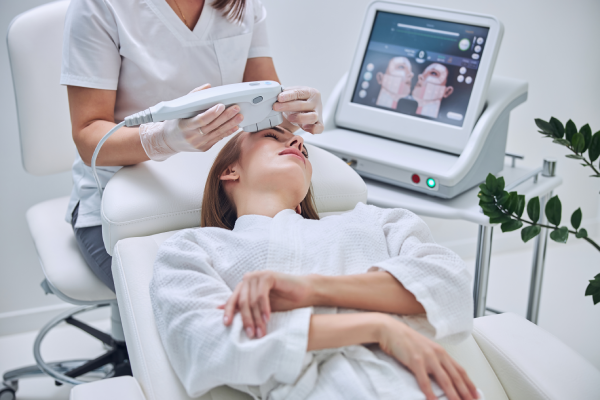 What is a Dermatologist?
A dermatologist is a specialist doctor that treats both benign and malignant disorders located on the skin, mouth, hair, nails, and external genitalia. Dermatologists' duties include procedural work and a combination of both surgical and cognitive skills. They must also have expertise and advise in skin care, and prevention of skin diseases and skin cancers.
Dermatologists must also be knowledgeable on primary diseases of the skin and cutaneous manifestations of pediatrics. They must also have knowledge in venereal diseases and Dermatopathology. A background in dermatologic therapy and dermatological surgical procedures is also required.
Delivery of Care Settings
Dermatologists have very multifaceted care settings which includes a combination of hospitals, telehealth services, and private practice clinics. When working in a hospital setting, dermatologists can be an employee or part of a group practice. They usually have access to a wider range of resources and medical equipment. They will also have access to support staff and other specialists. Dermatologists often work with oncologists and plastic surgeons.
In private practice clinics, dermatologists can be the sole specialist or work in a team, and also have access to their own examination room and a small staff that helps with administrative tasks. The private clinic may also have advanced equipment and technology that will allow the dermatologists to perform in-house procedures.
Canadian Training General Requirements
After completing medical school, an additional 5 years of Royal College-approved residency training is required. The training period will include:
- 3 years of Royal College-approved residency training in dermatology, which will include at least 1 year will be spent in a general hospital. The training must not be less than 6 months of consultation or in-patient services. A year of this training should include full -time clinical or basic research in dermatopathology or dermatology, on the condition that both the trainee and the site of training are approved by the program director.
- 2 years of basic clinical training. This will include at least a minimum of 3 months of pediatrics and 12 months of internal medicine. Specific rotations in rheumatology, oncology, and infectious diseases are also required.
Applying to Canadian Medical Schools
Canada has 17 accredited faculties of medicine, distributed geographically across the country. Canadian medical schools are accredited by the Committee on Accreditation of Canadian Medical Schools (CACMS) and the Liaison Committee on Medical Education (LCME).
According to The Association of Faculties of Medicine of Canada (AFMC), the number of places available is determined by provincial governments based on educational and financial resources, as well as Canada’s future physician workforce requirements. Medical schools have an increasing number of applicants every year, while the number of positions available for entry does not increase significantly.
Can International Students Apply to Canadian Medical Schools?
Since the universities are under provincial jurisdiction, the majority of places in a faculty of medicine are allocated to permanent residents of the province in which the university is located. So, although 14 out of the 17 medical schools accept international students, the number of actual positions is limited.
What International Medical Schools are Recognized in Canada?
Anyone with a Medical Degree (MD) from outside of the accredited Canadian and American programs who wants to undertake residency training or practice medicine in Canada is considered an International Medical Graduate (IMG). This includes Canadian citizens and permanent residents.
The Medical Council of Canada (MCC) has a helpful guide to the acceptable medical schools as defined in the Model Standards for Medical Registration in Canada.
How are Dermatologists Paid?
The Canadian Institute for Health Information (CIHI) which provides essential information on Canada's health systems and the health of Canadians and has the following data:
- Most physicians receive compensation through multiple models, including both fee-for-service and alternative payments.
- Alternative methods of paying physicians include salaries, sessional and hourly rates, capitation models, and contract-based payments.
- The largest payment program as a proportion of total gross clinical payments to physicians in Canada is fee-for-service, at about 73% of total payments in 2018–2019.
- Fee-for-service services provided by physicians can be split into 2 broad types: consultations/visits and procedures.
What are Dermatologists Paid in Canada?
The gross range of potential annual earnings can vary based on factors including hours, experience, province, rural or urban location, clinic setup, as well as incentives and bonuses offered. A range we see for dermatologist across Canada is $260,000 - $600,000.
Demand for Dermatologists in Canada
According to Canadian Occupational Projection System, this occupational group is expected to face labour shortage conditions over the period of 2019-2028 at the national level.
------
This page is a general guideline only and is not intended as financial or other professional advice. Remuneration ranges are from both source information and our job board. All content is subject to change.
