
Media & Market Insights
Our team is here to help you stay informed and updated with news from Canada and its Healthcare Recruitment industry.
Please check out these articles we hope you find them interesting and informative.
 +1 (778) 613-2006
Our team is here to help you stay informed and updated with news from Canada and its Healthcare Recruitment industry.
Please check out these articles we hope you find them interesting and informative.
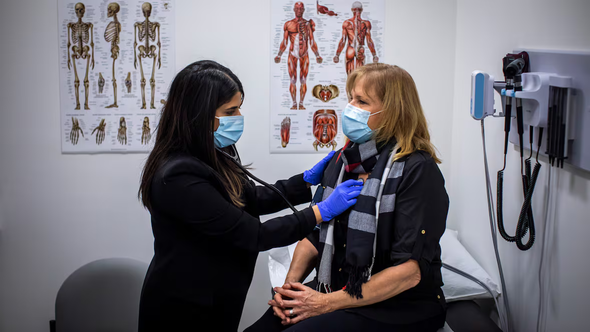
As B.C. NDP Leader David Eby makes his pitch for re-election to British Columbians, his party's record on health care has quickly become a theme of campaign stops.
"We have connected a million people to a family doctor," he told reporters gathered for the announcement of a snap election on Tuesday.
"This isn't just a trade war. This is about whether your family can see a doctor when you need one."
Solving B.C.'s family doctor shortage was a key promise in the NDP's 2024 election platform — and one they seemed confident they'd keep.
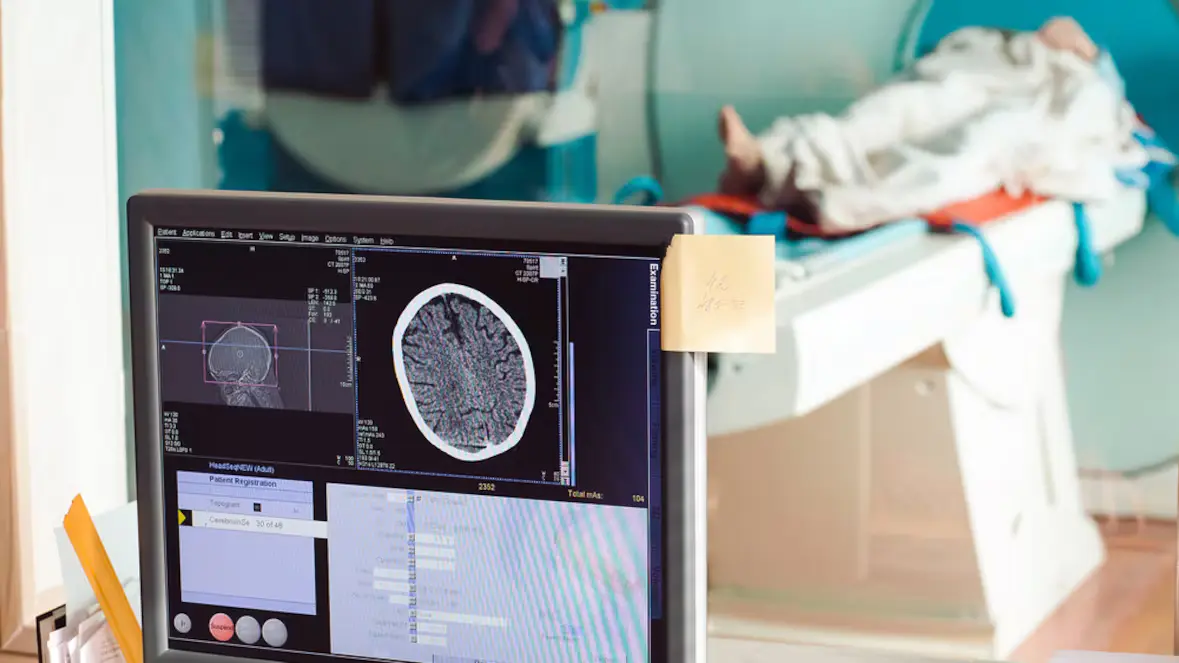
Albertans will be able to start paying out-of-pocket for key preventative diagnostic tests, without a referral from a doctor, on Friday.
The new system, which has already sparked concern among doctors and some health care advocacy groups, has been in the works for months.
It allows Albertans to self-refer and pay for MRIs, CT scans, ultrasounds and X-rays.

Canada’s health-care system is chronically understaffed: Six million Canadians are without a regular healthcare provider. A recent Health Canada study concluded that the country’s medical schools cannot train enough doctors to ever close the gap (to meet demand, we’d need another 22,000 physicians). And of the doctors we have, nearly half are feeling burned out.
Artificial intelligence is an obvious solution to our lack of people power. It is already at work behind the scenes in hospitals, reviewing medical images and monitoring patients’ charts for signs of deterioration. Nearly 60 per cent of doctors who use AI say it helps them speed through administrative tasks.

The majority of Albertans who saw a family doctor recently were satisfied with their visit — but many have yet to find one.
That's according to the latest Alberta Medical Association (AMA) "State of Health Care" report, produced through an online survey of 1,100 adult Albertans conducted by ThinkHQ Public Affairs from May 12 to 19, 2026.
The report suggests 82 per cent of Albertans surveyed saw a family doctor in the past year, and 81 per cent of those with a family doctor reported high-quality interactions during their last appointment.

A new agreement between the Alberta government and the province's doctors should help bolster some underpaid medical specialties and improve patient access, says Alberta Medical Association president Dr. Brian Wirzba.
The government announced in a news release on Thursday that doctors will receive $172.3 million in retroactive pay for the last fiscal year. The agreement comes after an arbitrator in February ruled doctors should receive a three per cent salary increase in the final year of a 2022-2026 master agreement with the province.
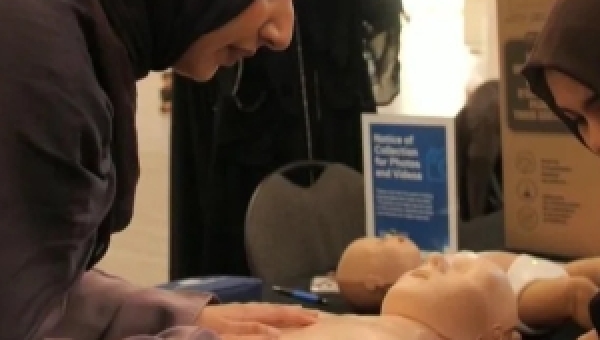
Talia Hassan, a first-year medical student at Toronto Metropolitan University (TMU), stands behind a table full of pamphlets and forms at the Sayeda Khadija Centre mosque as a young member of Mississauga, Ont.’s Muslim community shyly approaches her table, showing interest in the CPR manikin. Hassan helps guide her hands over the resuscitation manakin’s chest, teaching her how to apply pressure to the right area.

If you’ve visited an emergency department in recent years, it probably comes as no surprise to you that emergency physicians are tired.
Jam-packed waiting rooms, hallways lined with beds for patient overflow and patients using the emergency room in place of a family doctor or specialist, because they’re unable to get that kind of care otherwise.
New survey data published in the Canadian Medical Association Journal shows one of every 10 emergency physicians in Canada have left their specialty — while the majority of others are reducing hours or taking time off to deal with burnout.
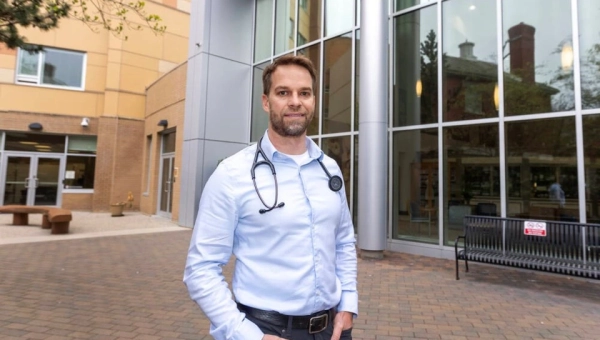
Internist Dr. Robert Beck, at the Royal Jubilee Hospital. Beck hosts a podcast called The Interesting MD where he explores the differences between the Canadian and U.S. health-care systems and aspects of navigating a move to Canada. DARREN STONE, TIMES COLONIST
Of all the books oncologist Kira MacDougall has collected, her favourite is her Canadian passport — it’s allowed her to track gorillas and scale Mount Kilimanjaro in Africa, scuba dive in Iceland, and climb glaciers in Ecuador.
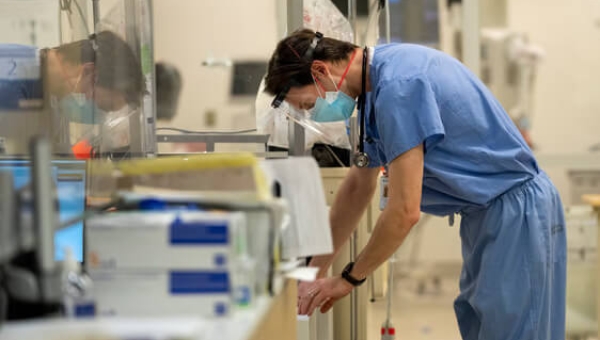
A new survey by the Canadian Medical Association finds doctors are increasingly intervening to address harm caused by patients acting on false health information found online.
The Physician Pulse survey, published Tuesday, reveals that 97 per cent of responding doctors have had to intervene to prevent harm or address consequences after a patient followed false or misleading health information found online, including information from AI.
Sign up to receive and stay up to date with our latest news and updates, and to receive promotional and marketing emails from Physicians for You Recruitment Ltd.