
Canada A Place
to Call Home
Why Make the Move?
Get Started with Physicians for You
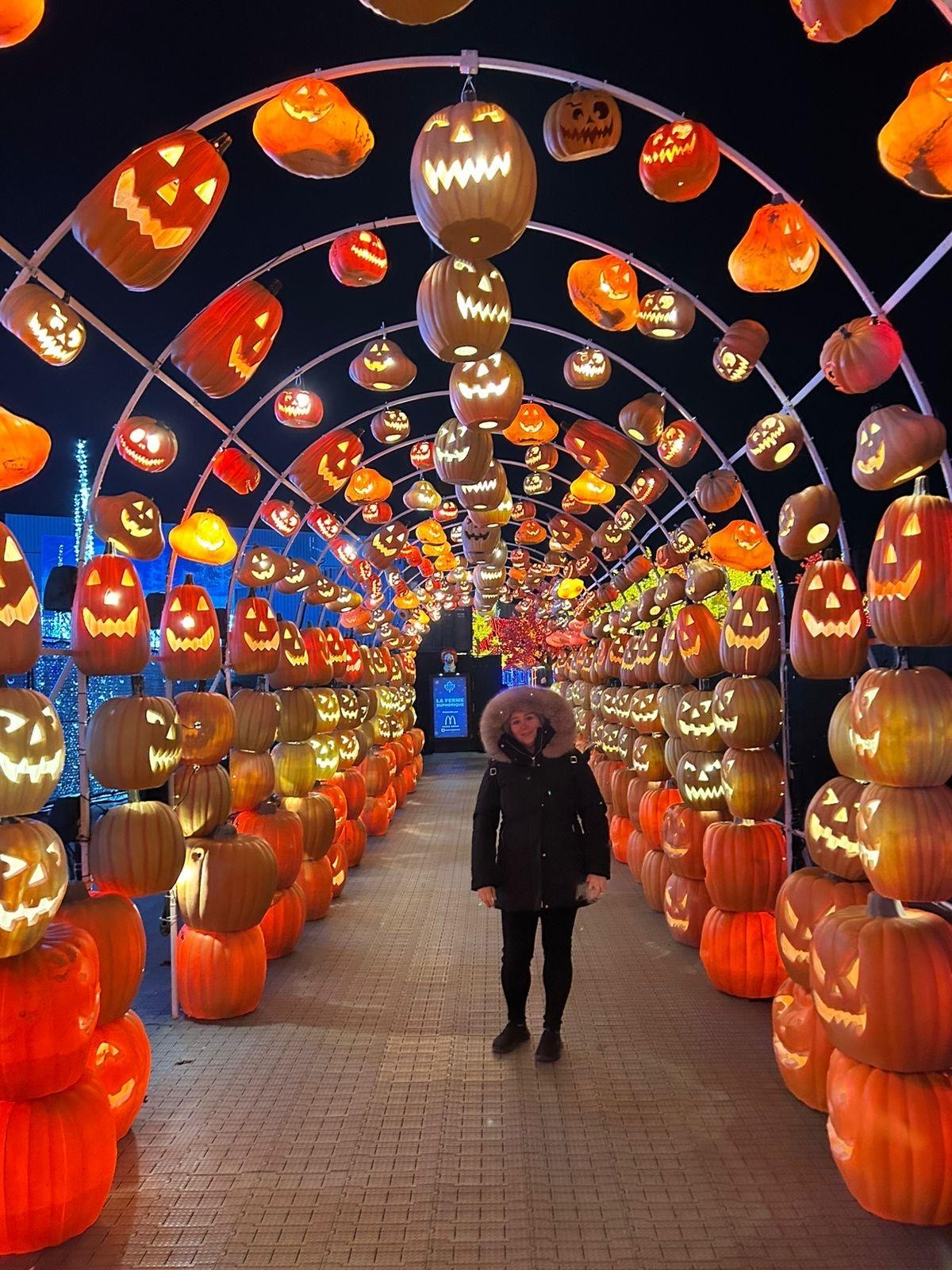


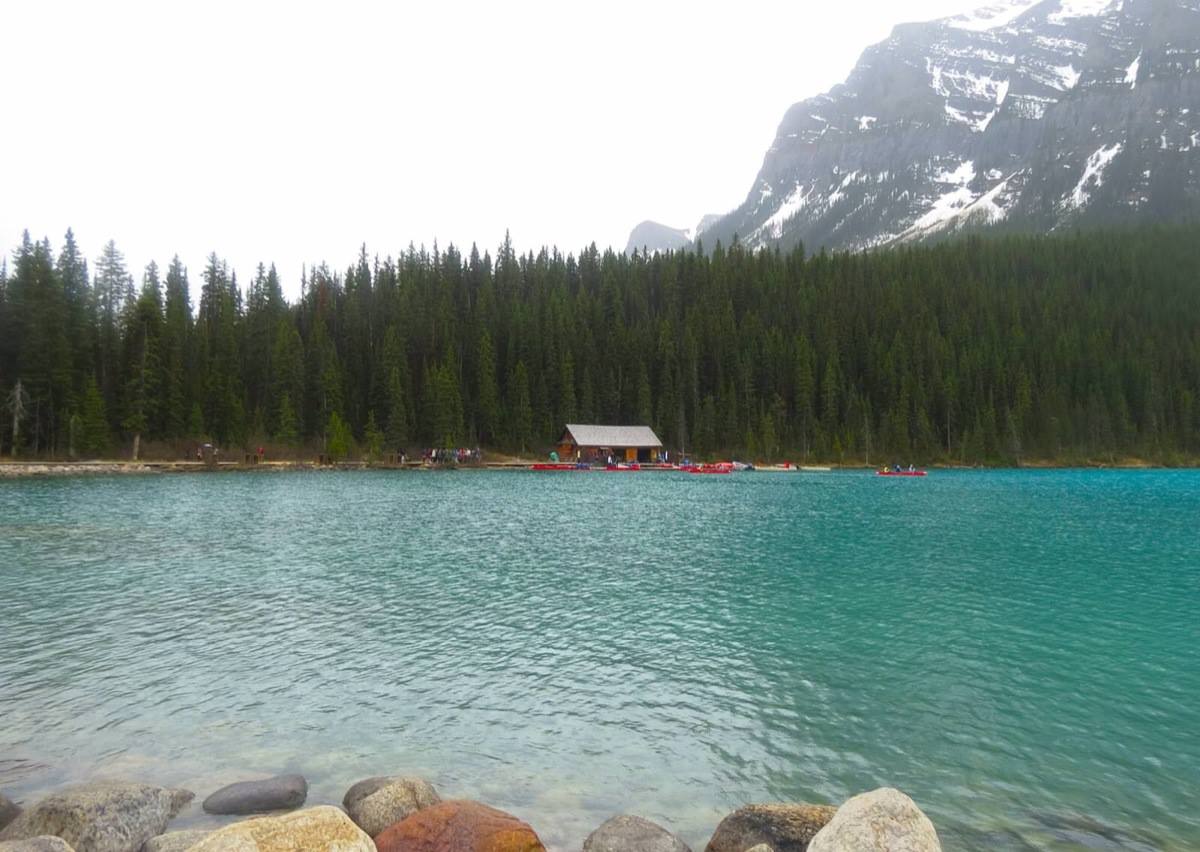
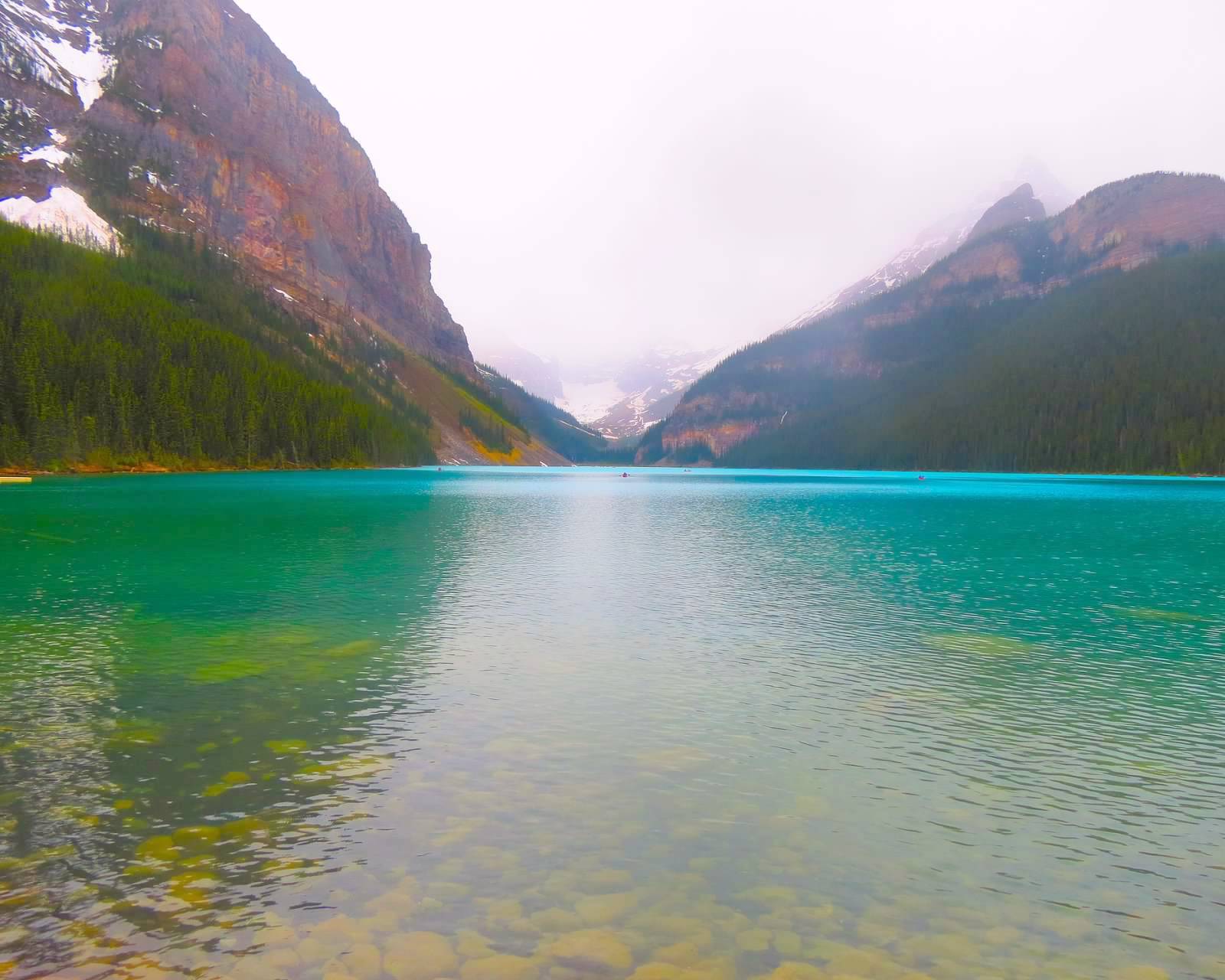
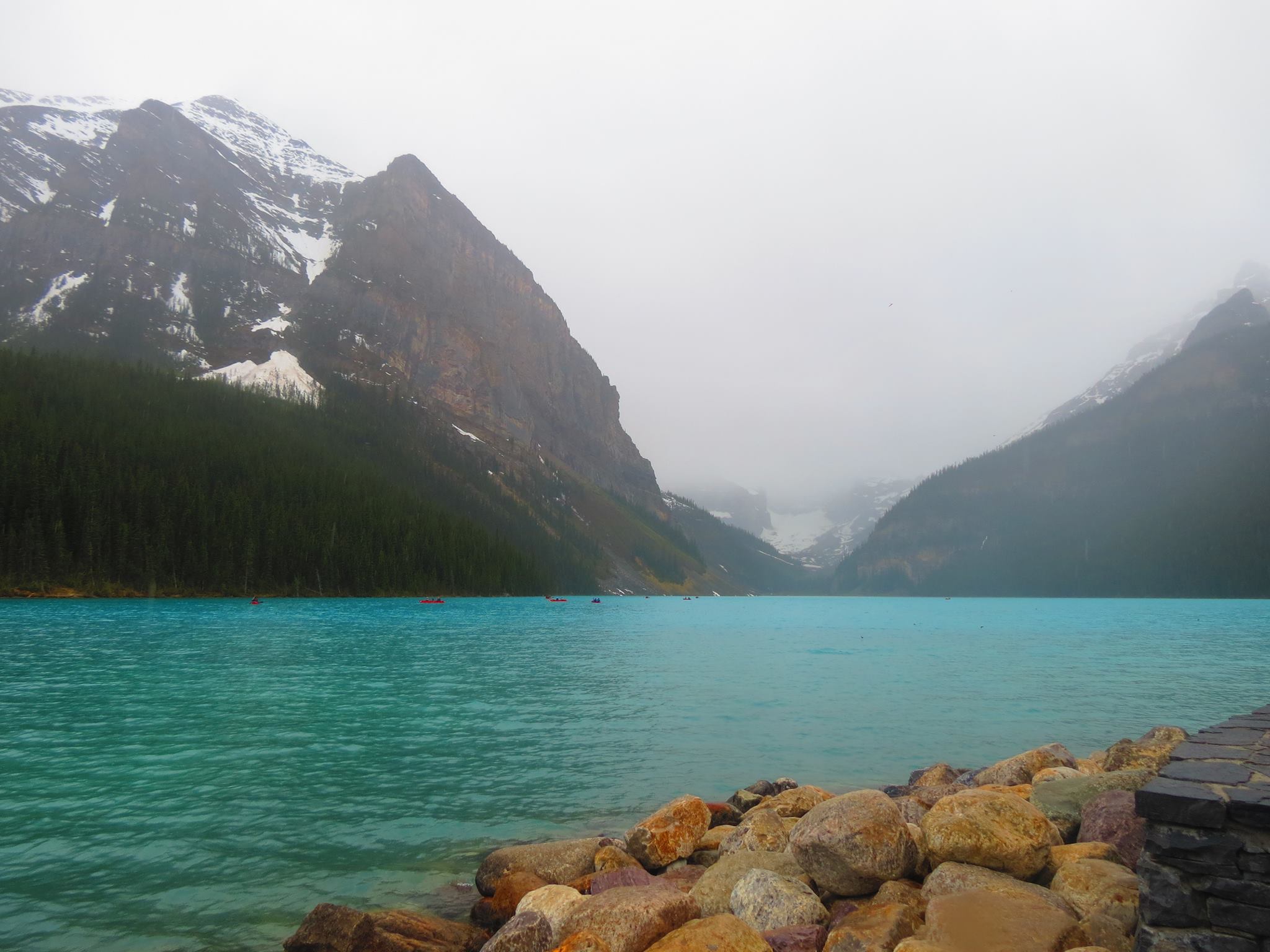
Explore Canada
through the eyesof our Team Members
Multi-Culturalism
& Diversity
Canada’s land size makes it the second-largest country in the world. Split into 10 provinces and 3 territories, it is home to a population of 37,589,262.
A country of multi-culturalism, diversity and freedom, it makes living in Canada a top choice for many. Canada Multiculturalism Policy and The Canadian Charter of rights and freedom of speech, and religions allows people to express their beliefs without fear of persecution. Canadians are known for their warm hospitality, and the country is a global leader in welcoming refugees and asylum seekers fleeing persecution and conflict. Offering protection and a chance at a new life for those most in need of exemplifying its unwavering commitment to humanitarian values and providing a truly welcoming environment while maintaining people’s cultural identity.
The government has programs and policies in place that ensure that everyone,regardless of their race, gender, ethnicity, religion, sexual orientation, or disability, is treated with fairness and respect and has equal access to opportunities. Anti-discrimination and diversity are actively enforced in workplaces, schools, and communities.
As a multicultural country, Canada is home to many languages, traditions, and cultures. Many newcomers often settle in multicultural cities such as Toronto and Vancouver, where their heritage is embraced. Cities and communities across the provinces continue to celebrate with parades and festivals to support many cultures and traditions. This adds to a valued connection between people in the community. Some celebrations are Diwali (Hindu – Festival of lights) and Lunar New Year (Chinese New Year).
Get Started with Physicians for You
Safe & Secure
Canada is ranked as one of the safest places to live worldwide. The country provides residents and newcomers with a secure and peaceful environment to live in, work, and raise families. Toronto, Vancouver, and Ottawa are ranked as the top safest cities in the world with their low crime rate. Legal and law enforcement are active in Canadian communities, which fosters trust and co-operation among residents.
Quality of Living
Living costs vary depending on the location, and whether you choose to live in cities, suburban, urban, or rural locations.
Ontario is the second-largest Canadian province and covers more than 1 million sq km (approximately 415,000 sq miles).
It is estimated to be home to a population of just under 16 million people, making up 40% of the country’s total population. The province offers many cities to set up homes as newcomers, offering a thriving job market, education, and diverse lifestyle with an urban and rural balance.

The country’s capital, Ottawa is in the south of the province and is the most bilingual city in Canada. It houses the Canadian government buildings and is believed to have the highest educated population in the country. Even though Ottawa is the capital of Canada, it is not the capital of the province, that is Toronto. Toronto is recognized as one of the top multicultural and cosmopolitan cities in the world and is the largest and most populous city in the country.
A buzzing business and financial center, Toronto and the GTA area come with metropolitan living, with access to more entertainment, arts and culture, a faster pace with lively neighborhoods, at a higher living cost.

Some cities that are still close to Toronto offer comfortable living, with big city amenities and cost less. These locations offer a balance between affordability, a strong job market, greener outdoor space with access to parks, bike paths, friendly neighborhoods, and a slower pace than in the downtown areas. These areas include Kitchener, Cambridge, Belleville, Oshawa, Ottawa, Hamilton, Waterloo, Windsor, Pickering, London, St. Catherines, Peterborough, Ajax, Welland, Barrie and North Bay.
The least expensive cities to rent or live in Ontario would be Aurora, Thunder Bay, Brampton, Niagara Falls, Kingston, Newmarket, Greater Sudbury, Brantford, Sarnia, and Sault Ste. Marie. Many of the smaller cities and towns are in the continued growth stage and are welcoming newcomers and offering a charming small town feel with a strong infrastructure, housing, schools, shopping, recreational centres and parks. Learn More

The city of Vancouver, in British Columbia, is the largest and most popular city in the province. It is ranked as one of the top cities in the world for quality of living and livability. Similar to Toronto and the GTA, Vancouver city and some areas in the greater Vancouver area have a higher price range. There are some areas outside of Vancouver that can offer more comfortable living with great infrastructure, schools and amenities than downtown can offer. These areas include Surrey, New Westminster, Richmond, Chilliwack, Abbotsford, and Port Coquitlam.
Other options in the province include Nanaimo on Vancouver Island, Kamloops, Vernon and Kelowna in the BC interior. If you love the great outdoors and nature on your doorstep, while still being close to a city, the interior of BC, Okanagan Valley, and the District of North Vancouver are the ideal locations. They offer peaceful neighborhoods for families, with active outdoor opportunities. You can go hiking, skiing, and biking as part of your everyday routine. Learn more
For others who prefer the quieter pace of life, many towns and rural communities offer a strong sense of community. Strangers are not strangers for long, as many engage in conversations together often, neighbors help each other and there is mutual support. This makes integrating as a newcomer a smoother process and makes them feel part of the community.
Alberta, Saskatchewan and Manitoba, the Prairie provinces, offer more affordable housing, and a slower pace of life. For those looking for a more rural community lifestyle with access to outdoors, agriculture and unlimited open space, these provinces offer it all.
The city of Calgary, Alberta, is ranked as one of the top cities in the world, for its high-quality education, healthcare, and career opportunities. The average income is higher compared to the provinces of British Columbia and Ontario. Calgary and Edmonton both offer the same high quality of living but with lower taxes and living costs. Other attractive towns, outside the major cities in the province to look at are Airdrie, St Albert, Grande Prairie, Red Deer, Lethbridge, and Strathcona County. They have many friendly and family-focused communities, lower house pricing, and open space. Learn More


Regina and Saskatoon, Saskatchewan offer less hustle and bustle than Toronto and Vancouver but still offer a strong city atmosphere. Living in Saskatchewan, housing costs are lower than in most major cities across Canada, making homeownership accessible and easy. Learn More
Winnipeg, Manitoba is seen as more of a laid-back province with a quieter look on life compared to other provinces. There is a growing economy, including job opportunities in healthcare. The province offers more affordable family living, with many friendly communities to settle in, that offer new jobs and career opportunities. The province has excellent immigration success, with 76% of newcomers becoming homeowners within 5 years, 95% of families permanently settling in the community and making Manitoba their new home.
Manitobans are referred to as the friendliest in Canada, so much so that it is reflected in the slogan on the province’s official license plates. “Friendly Manitoba.” Learn more
Get Started with Physicians for You
Top in HigherEducation
4th-best education system worldwide.
Canada is ranked 4th out of 89 countries worldwide for having the best education systems. The country’s focus in education is on providing different learning styles and fostering critical thinking and problem-solving, offering affordable higher education with tuition fees lower than many other developed countries, and providing publicly funded and accessible education programs across many of the provinces.


The province of Ontario has a strong education system, with over 23 public universities focusing on undergraduate, graduate degrees, and various professional programs. There are also many colleges providing certificate programs, diplomas, and degrees as well as 500 registered private career institutions. The University of Toronto, established in 1827, is the oldest university in the province and is recognized as the best in Canada and ranked among the top 10 universities worldwide.
Manitoba offers training throughout the province in rural and urban settings, both in public and private schools in English and French. In February 2021, the Manitoba government introduced a New Education Alignment Strategy. This is a 3-year strategy that allows all post-secondary students to have work opportunities, including during their studies, to better align post-secondary institutions with the needs of the economy. Both universities and colleges give students work opportunities such as co-ops, internships, or land-based learning.


Saskatchewan continues to offer quality education with 2 universities and affiliated colleges, connecting even the most rural communities to quality higher education. Additional perks are accessible for graduates of up to $20,000 in tuition rebates through the graduate retention program. Saskatchewan is also home to Saskatchewan Polytechnic College, offering over 150 programs in technical trade and skill training.
The university of British Columbia in Vancouver, is ranked as the second-best university in the country. Established in 1908, it offers many more academic programs over a variety of divisions. The university is split between two main campuses. The largest campus is based in Vancouver with a smaller campus located in the interior of BC, the Okanagan Campus in Kelowna. The university offers wonderful programs for international students, with a focus on improving English language skills. 36% of students across both are international students.


The university of Alberta was established the same year as the university of British Columbia. The university has 5 campuses, 4 are based in Edmonton with locations focusing on different academic areas, some smaller campuses for arts, sciences and other campuses for medicine, business and engineering. One of the campuses has French as its primary language, as well as English. The university has many affiliated colleges, some that focus on major research. Some are global colleges offering teaching and exchange programs, including in Germany and Western Australia.
Quality Health Care System
Canada offers a publicly funded healthcare system for Canadian Citizens and Canadian Permanent Residents, some services provided without charge, and some associated with costs. Coverage includes doctors, hospital visits, and surgeries. Prescription drugs, dental care, and vision care have associated costs.
Many jobs in Canada offer health benefits that cover a percentage of prescription drugs, dental and vision care. Each province has different coverage available; it is always something to consider when choosing a province to move to.
Get Started with Physicians for You
Career Prospects
The country focuses on critical sectors, and many internationals see Canada as an attractive country where they can advance their careers, including healthcare, with many major cities across the country offering competitive wages. Some provinces, especially in rural healthcare towns and communities, are introducing government incentives and programs to encourage physicians to make the move.
Canada sees many internationals come on short-term work permits, fall in love with the country and its people, apply for permanent residency, and finally become Canadian Citizens.
Weather and Climate
– Four Seasons
The province of Alberta offers the most comfortable climate in all of Canada. The city of Calgary sees more hours of sunshine than any other large city in the country. The province guarantees 321 days of sunshine a year, with temperatures averaging between 20c-25c in the summer, -4c to -13c in the winter, and fall and spring reaching a high of 13c and low of 10c.
Saskatchewan experiences warm and dry summers and up to mid-30c in July and August. This is a perfect province for those who enjoy hot summers. The lower section of the province, and Alberta, is sometimes referred to as the Sun Belt of Canada.
British Columbia is the most western province and runs to the coast and up towards the state of Alaska. Located on the Pacific coastline, it is where you will experience the mildest winters, and temperatures rising to 30c or more in the summer months. Winters normally begin in November with spring emerging in April. Winter temperatures generally remain above zero, and you can still expect incredible sunshine year-round.
In Ontario, you will find the 4 seasons. Warm and humid summers, crisp and pleasant in the autumn, winter can be cold and experience significant snowfall, which is normal for Canadian Winters, spring can be mild and wet. Temperatures in the spring can be 0c –19c, warming up in the summer to average between 25c -30c, Autumn averages 20c and as the season goes on average temperatures can drop to 10c. Average temperatures in the winter can range from –9c to –2c.
The province of Manitoba offers a drier but colder climate than other Canadian provinces in the winter, with temperatures ranging from -16cto - 20c. Summers have a high of 26c and experience warm and relevant humid weather.
Get Started with Physicians for You
Landscapes and Breathtaking
Beauty Coast to Coast
Vast landscapes and breathtaking beauty can be found no matter where you go in Canada, from the Rocky Mountains in the west to sandy coastlines in the east and many natural parks. With many UNSECO heritage sites spanning the country, Canada has something for everyone, all year round. Hiking, lakes & winter activities are just a few popular activities right on your doorstep, offering a wonderful work/life balance.
The province of Alberta to the further west, borders British Columbia, Saskatchewan to the west, North Territories to the North and the US state of Montana to the south.
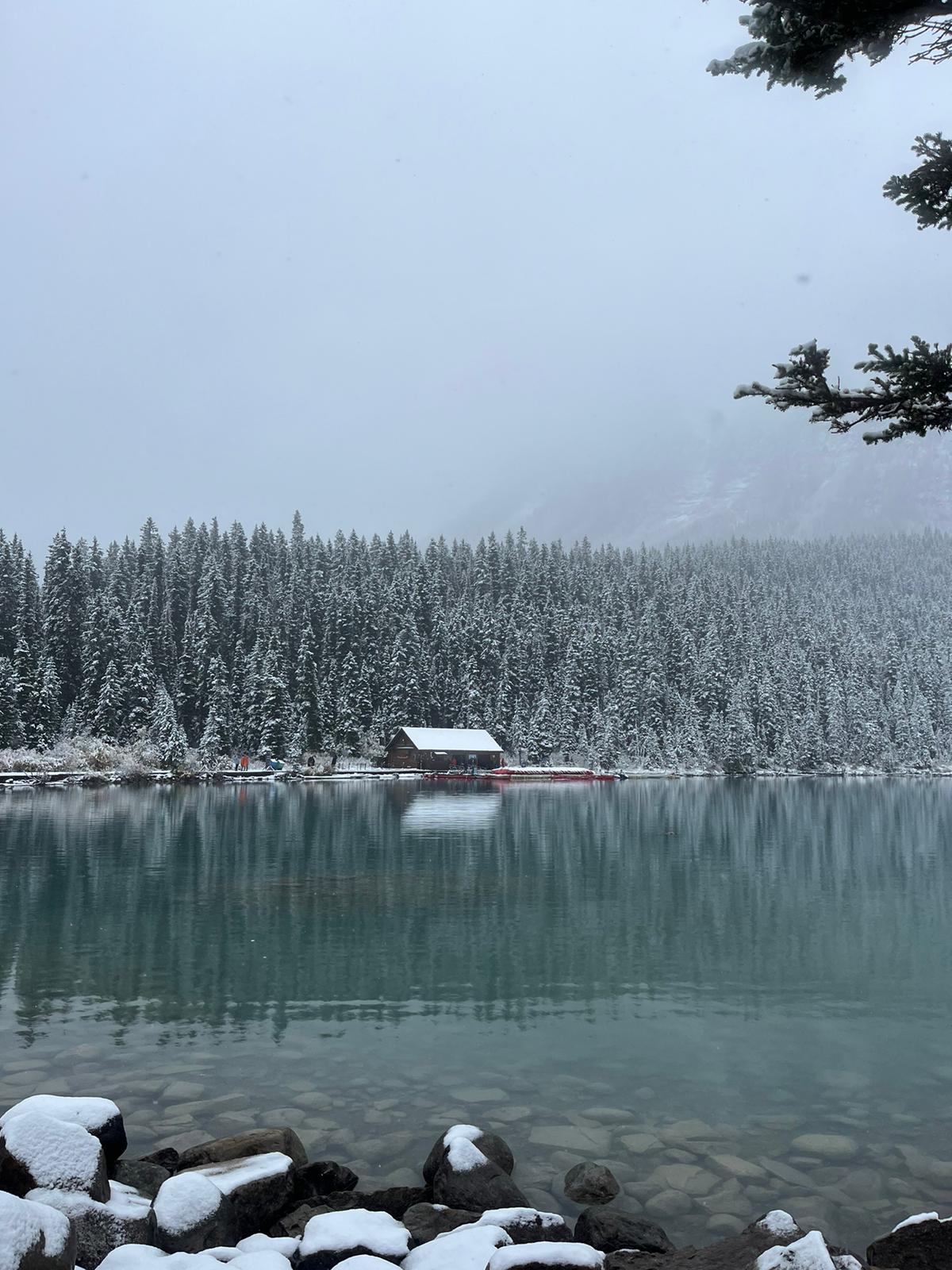
Alberta is famous for its world-class Banff National Park and Lake Louise Ski Area. The province is also well-known for Fairmount Chateau, Lake Louise and Moraine Lake, located in the Canadian Rocky Mountains, surrounded by glaciers. It is one of the 7 protected areas that make up the Canadian Rocky Mountain Parks UNESCO World Heritage Site. The area sees more than 3 million visitors a year.

Jasper National Park on the Northern edge of the Canadian Rockies, is another UNESCO World Heritage Site, home to the world’s second-largest dark sky preserve. It has the longest river running through it. The Athabasca River runs 1,538km (956 mi) from the Columbia Icefields in the Rocky Mountains to Lake Athabasca, surrounded by glaciers, waterfalls, and wildlife. The Canadian Badlands spans as far out to the east as Saskatchewan and south to the US. This landscape offers Rocky Canyons, majestic rock formations, including the Hoodoos, sand pillars created by land, and river erosion. Known to contain the richest collection of dinosaur fossils in the world, the wild west coal mining town of Drumheller is 2 hours from Calgary.

British Columbia is the most western province in Canada, the largest province with a coastline that stretches 27,000- 4 times greater than the area of Great Britain. Stretching from the Pacific Ocean, across to the Rocky Mountains.
British Columbia, with its natural beauty offers splendid lakes, islands, and rainforests, stretching along the western coastlines with picturesque cities and attractive towns dotted across the province. The world-famous ski resort, Whistler Blackcomb, offers world-class skiing less than 2 hour's drive from Vancouver, making it one of the most popular destinations in Canada.
British Columbia has the mildest climate of all the Canadian Provinces. The Okanagan Valley in the BC interior is popular for its warm lakes and boating in the summer. With a number of mountain resorts, they offer both summer and winter activities for everyone to enjoy. The north and south Okanagan are well known for growing fruit and grapes to make lush wine.
The Great Bear Rainforest spans across the provinces north and central coast. It is the home to the White Kermode Bear, better known as “Home to the Spirit Bear.”
The province has 1 of the world’s Cool inland rainforests, found in Mount Revelstoke Provincial Park, in the Selkirk Mountain range. The tallest peak in the Canadian Rockies is found in Mount Robson Provincial Park, located in the province, bordering to the west of Alberta and the Jasper National Park.
Manitoba, known as the prairie province, is larger than Great Britain and the Japan Island of Honshu together. The province’s capital, Winnipeg, is the geographic center of Canada. If you find yourself in the center, don't worry, you will know. The spot is marked with a “Centre of Canada Sign”. This is located along the route of Highway 1 and states the distance between the west to the Pacific Ocean and the east to the Atlantic Ocean.
The province of Manitoba, similar to other provinces, has over 100,000 lakes alone. Many towns and communities are located on the lakes, along beaches and rivers. This provides locals and visitors with plenty of opportunities to explore and enjoy canoeing, kayaking, fishing, and swimming during the summer. The landscape consists of Arctic tundra in the north and the boreal forest in the prairies in the south.

The province of Ontario has over 250,000 lakes. Three hours north of Toronto you will find many waterfront cottage communities, Muskoka, Kawarthas, Haliburton, Northern Simcoe Country and the District of Parry Sound offer endless lakeside activities with swimming, canoeing, kayaking, fishing, boating, paddling and more, right on your doorstep.
The Niagara region is a 2 ½ hour drive from downtown Toronto and only 30 minutes from Buffalo, New York State, USA. It is where you will find the world-famous Niagara Falls. Visitors come from all over the world to take in the breathtaking waterfalls. This includes the Bridal Falls, Horseshoe Falls and the American Falls. There are so many viewpoints available, allowing you to take in all the Falls in one area. This truly is a visit that cannot be missed, especially if you see them in the evening, lit up in all their glory.

Ottawa offers an abundance of activities. Only 15 minutes away from the city is Gatineau Park. The park offers all year-round access with swimming, hiking, biking, and camping. Cross Country Skiing and Snowshoeing in the winter months. The park heritage centre is located in Quebec.
Saskatchewan
In the province of Saskatchewan, you will find plenty of lake towns, beaches, and river valleys to explore, and if you ever wanted to try your hand at fishing, there are many breathtaking opportunities. With over 100,000 lakes, no matter where you live or visit, you will always find a lake nearby. As well as lakes and rivers, you will find the Boreal Forest and an abundance of wildlife, from elk, foxes, wolves, and black bears to name a few. The Grasslands National Park is home to over 400 bison. Prince Albert National Park is also located north of Saskatoon and only 52 kms north of Prince Albert, the 3rd largest city in the province. If you are lucky, you might get an opportunity to take in the purple beaches, caused by garnet sand that is carried across from the Canadian Shield.


Atlantic Canada
Canada’s Eastern Coast is referred to as Atlantic Canada, home to Newfoundland & Labrador, the most eastern province in Canada, which offers stunning coastlines and views of ocean wildlife, and the three Maritime Provinces, Nova Scotia, New Brunswick and Prince Edward Island. New Brunswick is the largest of the 3 maritime provinces. The 24km wide Isthmus of Chignecto and Chignecto Bay connects the province to Nova Scotia. The Bay of Fundy is located between the two provinces, with a small portion touching the State of Maine, in the USA. The Bay, with its carved coastline, sees the highest and wildest tides in the world. The provinces have beautiful sandy beaches to explore and watch the ocean wildlife. Further inland you will find rolling hills and spectacular valleys.
The province is also connected to Prince Edward Island by the world-famous Confederation Bridge. This is a short 10–15-minute trip between the two provinces and is open 24/7. Prince Edward Island is most famous worldwide for the setting of Anne of the Green Gables, its beaches and the 100km of shoreline and red sandstone cliffs.
Sport/Recreations
& Lifestyle
Opportunities Country Wide
Canada offers many lifestyle opportunities. It would be hard for anyone not to find a lifestyle that balances work and a healthy everyday life. Whether you prefer big city living, with entertainment, culture, array of cuisine, easily accessible outdoor activities, access to sports activities, you will be sure to find what you are looking for in Canada.
Canada is a leading country when it comes to sport, no matter if its big team sports (Ice Hockey Leagues, Baseball etc.), or community teams, the love for sports and supporting teams brings people together. Two of Canada’s greatest sports were introduced in the 1800’s and remain seasonally popular in sports today. Lacrosse is the national summer sport, and ice hockey is very popular in the winter. Other popular sports are baseball and soccer. Soccer has become the most popular sport with youth today in Canada.
The vastness of Canada and its Provincial National parks that span across the country provides Canadians with the biggest outdoor playgrounds accessible to them. Parks offer many activities for everyone. Whether you prefer a stroll through lush forests, hiking trails, backcountry adventures, lakeside activities, paddling, canoeing, kayaking, fishing, swimming, or sailing, you are sure to find a nearby lake. Winter Season sees some of the parks turn into a winter wonderland of activities, with skiing, snowboarding, fat-biking, Nordic skiing, and snowshoeing. Many of the parks offer an outdoor playground all year round.
All provinces have some amazing hiking trails in all terrains. One of the world's longest trails is the Trans Canadian trail spanning from coast to coast and offering a wide range of activities and landscapes along the way, you will experience the urban, rural, wilderness, waterways, and roadways. It spirals across every province and territory and connects all 3 Canadian coastlines.
Get Started with Physicians for You
World Accessibility
Canada has some of the most accessible international airports that give access to most of the world. Toronto and Ottawa international airports offer many direct flights to international destinations. Toronto is the main hub for Air Canada, and many other major airlines with deals to the UK, Europe, and the USA. Calgary International is the home of the Canadian airline WestJet, offering domestic flights, direct flights to the USA and European destinations. Vancouver international airport is a gateway to Asia and the Pacific as well as Europe and the USA with direct flights to Australia and New Zealand.
Canada’s
5 Time Zones
Various time-zones across Canada makes this another factor to consider when choosing to move countries. What is the time difference between you in Canada and your family and friends back home? How easy is it to stay in touch?
Canada has 5 different time zones, across 10 provinces, starting with Newfoundland and part of Labrador that is singled out with its own unique time zone UTC -3:30. This is the only province that includes a 30-minute slot.
The remainder of the Atlantic provinces (New Brunswick, Nova Scotia, Prince Edward Island, and parts of Labrador practice Atlantic Time (AT) UTC-4.
Most of Ontario and Quebec, and parts of Nunavut work on Eastern Time (ET) UTC-5. These Eastern province time zones are a drawing factor with less time difference between them, Ireland and the UK, making it easier to stay in touch with family and friends.
Moving further into the prairie provinces, the time difference increases. Manitoba, most areas in Saskatchewan and parts of Ontario observe Central Standard Time (CT) UTC-6, all year round. The town of Lloydminster lies on the border between Saskatchewan and Alberta. Instead of Central time, it follows Alberta and observes mountain time (MT) UTC-7.
Alberta, the northwest territories, and some towns in British Columbia bordering on the province of Alberta (Cranbrook, Golden, and Invermere) are all on Mountain time. (MT) UTC-7.
The most western provinces of British Columbia and most of the Yukon observe the Pacific time zone (PT) UTC -8, this time zone includes states in the US - parts of Idaho, Nevada, the California states and the majority of Oregon and Washington.
Most of the Canadian provinces observe global daylight saving, apart from some areas in Saskatchewan, parts of British Columbia and the Yukon.
Moving to Canada is a huge step and one of the biggest steps you can take in your life. You need to consider many factors, including where your skills are desired, family situations, and a promising location that will support your career growth, while supporting your well-being and future prospects. The Physicians for You team are always happy to guide and support you along the way.
Visit our about us page, learn about each team member and their top 10 reasons why they love Canada.